

Jet lag and duty of care for business travelers

The hidden cost of every long-haul business trip — and what organizations can do about it.
Nothing can replace a face-to-face meeting, a business dinner, or the personal touch of an in-person visit. But every time an organization sends an employee across time zones, there's a cost that almost no one accounts for: Jet lag. Not the inconvenience. The biological disruption.
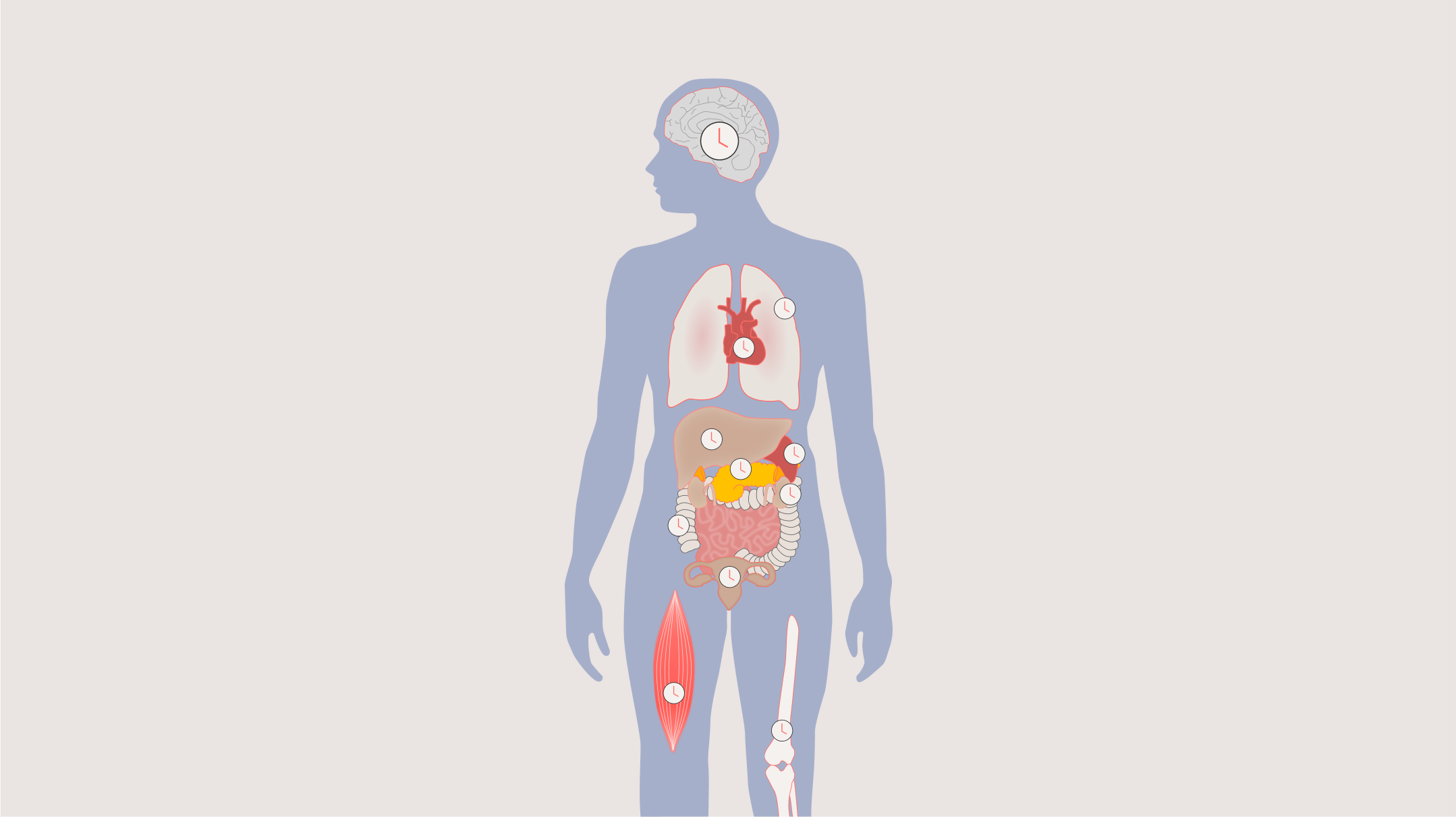
Jet lag is not a sleep problem. It's a circadian problem — a fundamental misalignment between the body's internal clocks and the external environment. These clocks regulate far more than sleep, governing nearly every biological system in the body. When employees cross time zones faster than their biology can adjust, all of them are affected.
The body adapts by roughly one time zone per day. A trip from New York to London means five days to fully adjust. New York to Shanghai, up to twelve. And once adapted to the destination, the same process starts again on the way home. For most business trips, employees never fully adjust at all — meaning they operate below capacity for the entire trip and for days after they return.
The costs organizations aren't tracking

The financial costs are significant but largely invisible. Jet lag compromises safety – particularly the risk of drowsy driving from the airport. It weakens immune function, increasing the likelihood of illness during or after the trip. It reduces productivity in the very meetings and negotiations the trip was designed for. It leads to errors, impaired judgment, and missed opportunities when employees simply aren't sharp enough to perform at their best. Many organizations already sense this, which is why they fly people out a day early to acclimatize – adding hotel nights, meals, and per diem without ever questioning why.
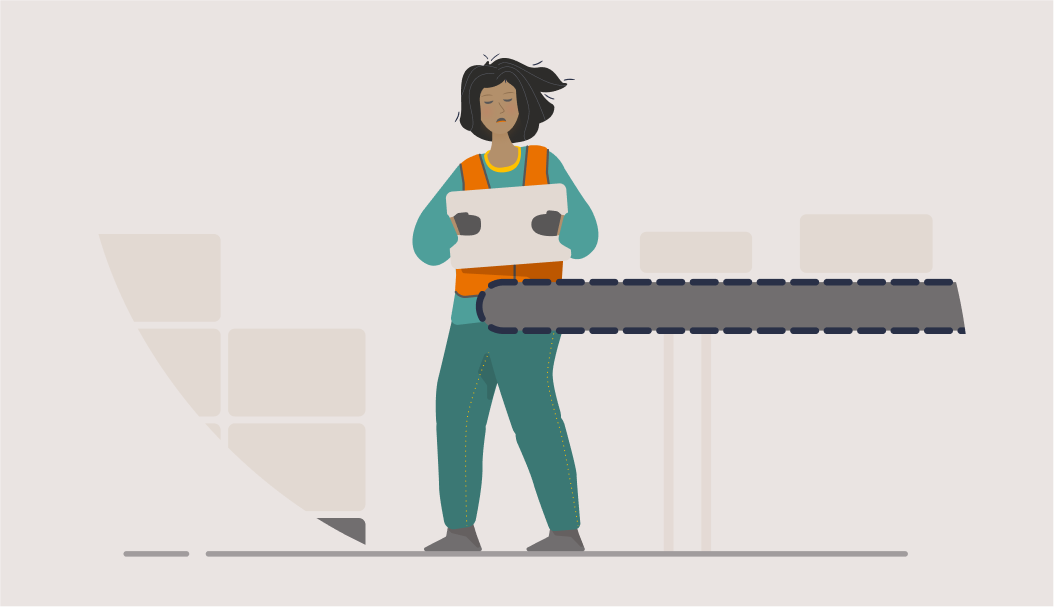
The human costs are equally real. Days of recovery at home, operating at reduced capacity while the body catches up. The lost personal time that makes frequent travel feel like a burden rather than an opportunity. And for those crossing time zones regularly – month after month, year after year – the long-term consequences are serious: elevated risks of cardiovascular disease, metabolic disorders, and chronic sleep disruption that build silently over time.
These are not theoretical risks. They affect every employee on every long-haul trip, and they represent a duty of care obligation that most organizations have yet to confront.
The real science of jet lag — and why most advice fails
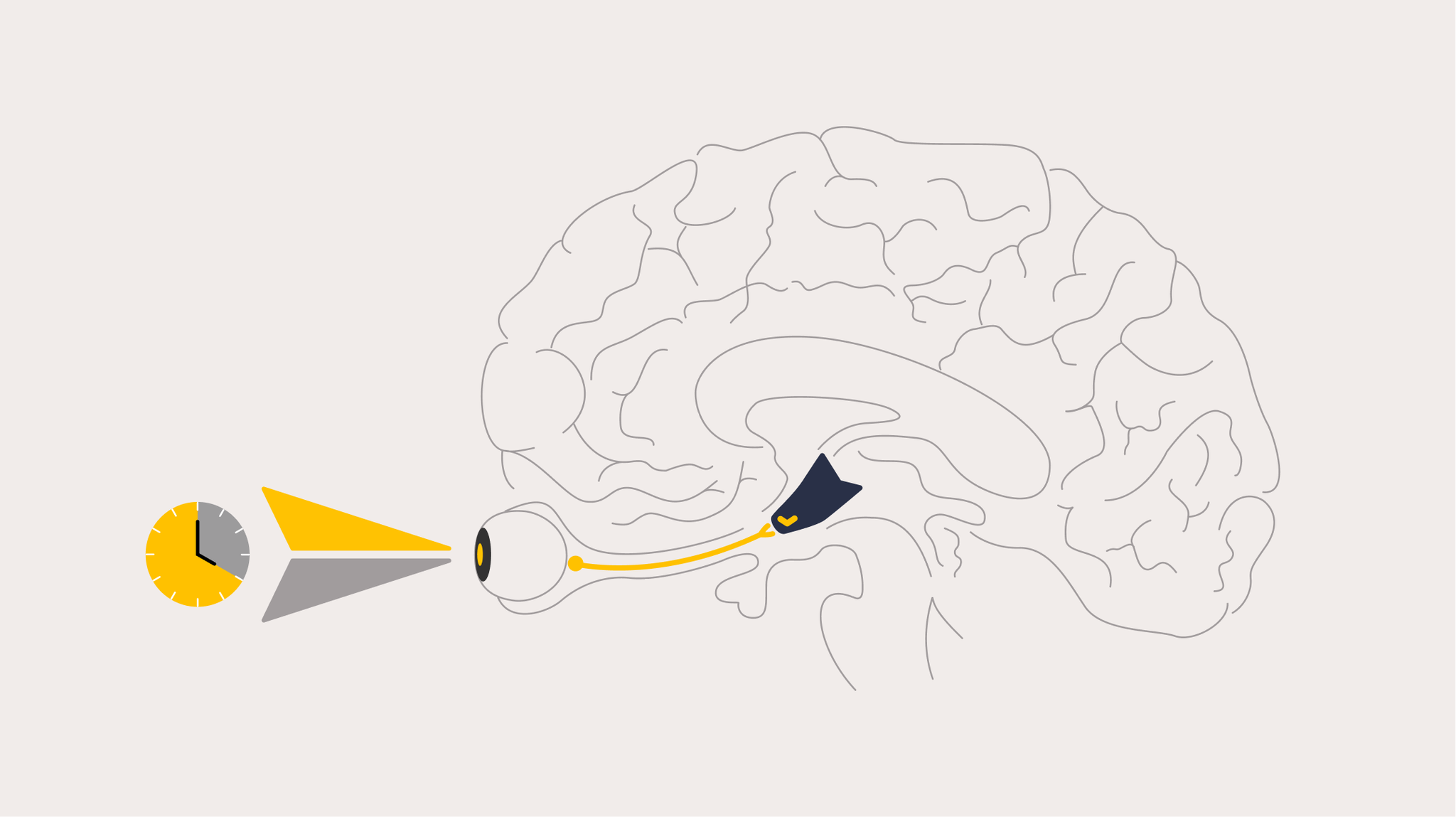
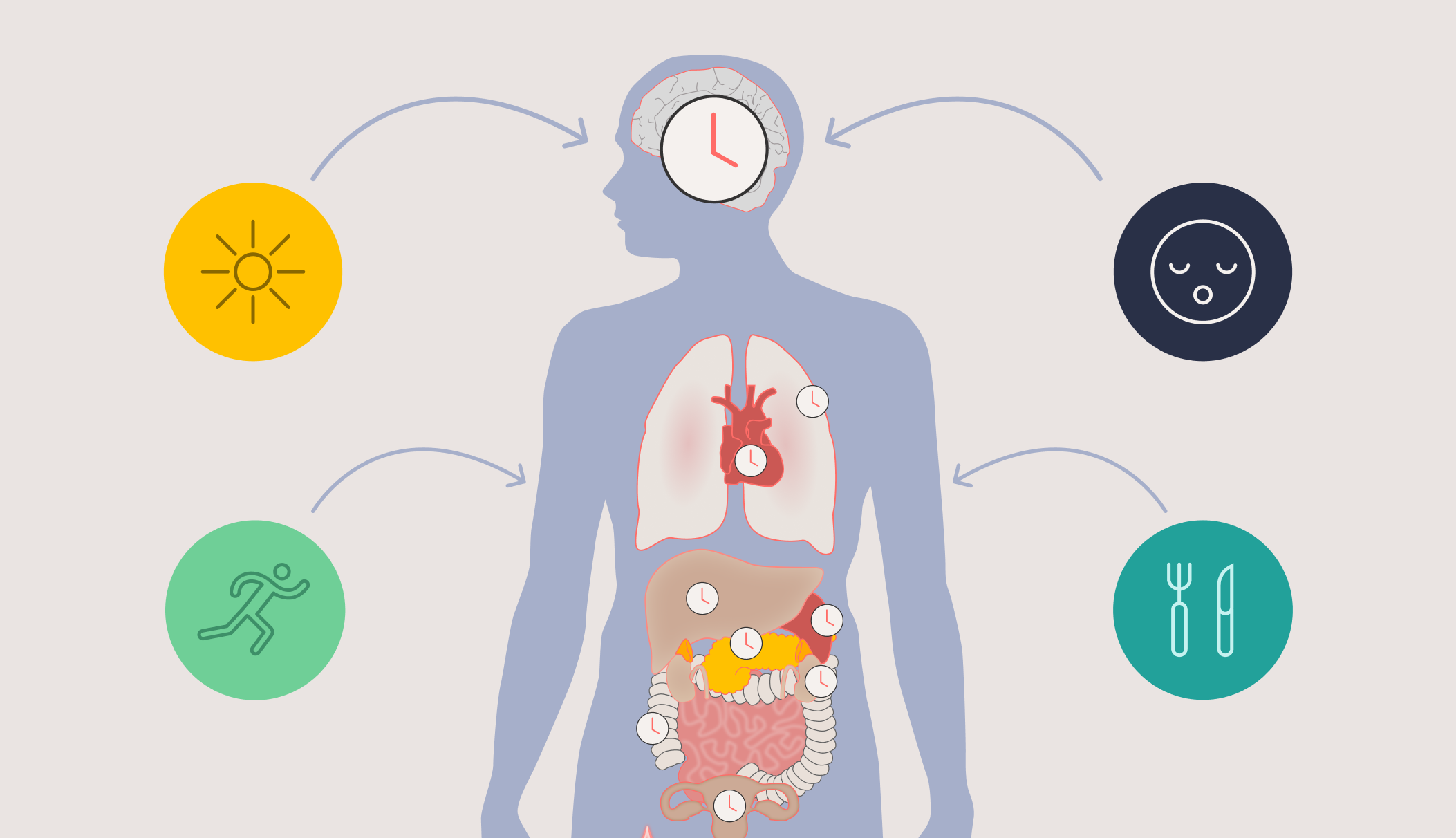
Jet lag is far more than post-flight fatigue. It's a disruption of the circadian clocks that regulate nearly all our biological functions — from sleep, mood, and performance to heart function, metabolism, digestion, and immunity. These internal clocks are controlled by a master pacemaker in the brain that keeps our body in sync with the 24-hour day.

When travelers cross time zones faster than their biology can adapt, this system falls out of alignment with the local environment. The result isn't just tiredness — it's a temporary but fundamental misalignment that affects virtually every system in the body.
The only environmental cue that can reset the central circadian clock is light. Light at the right time shifts the body toward the destination time zone. Light at the wrong time shifts it in the opposite direction, making jet lag worse. Correctly timed melatonin can also help shift the circadian clock and promote sleep when the body isn't ready for it. Together, properly timed light exposure, light avoidance, and melatonin use are the only evidence-based tools for accelerating circadian adaptation.
Yet travelers have been bombarded with incorrect advice for decades. Tips like "sleep on the plane," "stay hydrated," "exercise on arrival," or "push through until local bedtime" are not based on circadian science — nor are the countless other myths still circulating in the press, in blog posts, and shared between travelers. While staying hydrated and exercising are sound general health advice, they have nothing to do with resetting the circadian clocks that cause jet lag. What makes jet lag worse is seeing light at the wrong time or avoiding it at the wrong time — which is exactly what many of these generic tips lead travelers to do.
Getting the timing right depends on the individual traveler's chronotype, sleep pattern, and itinerary. The timing is deceptively complex and not intuitive — even sleep scientists who don't specialize in circadian science get it wrong. A generic tip sheet or one-size-fits-all travel guide cannot solve this. It requires personalized, science-based guidance for each traveler, for each trip.
No duty of care program is complete without addressing jet lag
Any organization that takes health and safety seriously for its traveling employees cannot afford to overlook jet lag — the one condition that affects every single one of them on every long-haul trip. Given its documented impact on safety, health, and cognitive performance, jet lag is not a wellness perk to consider. It's a duty of care gap to close.
A science-based solution that's ready to deploy
With more than 1.6 million users, Timeshifter is the world's most-downloaded jet lag app and is recommended by the CDC for international travel in the CDC Yellow Book — the standard reference guide for healthcare professionals advising international travelers.

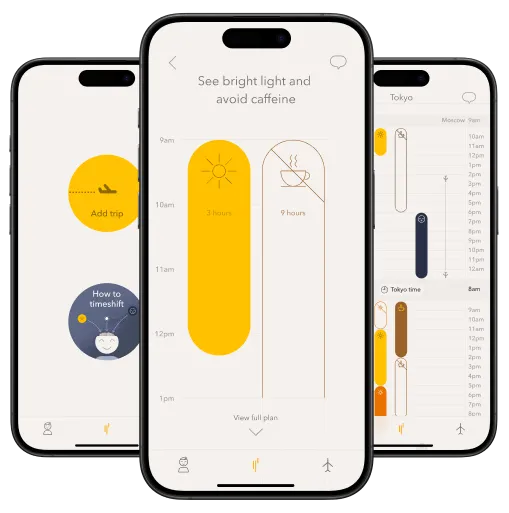
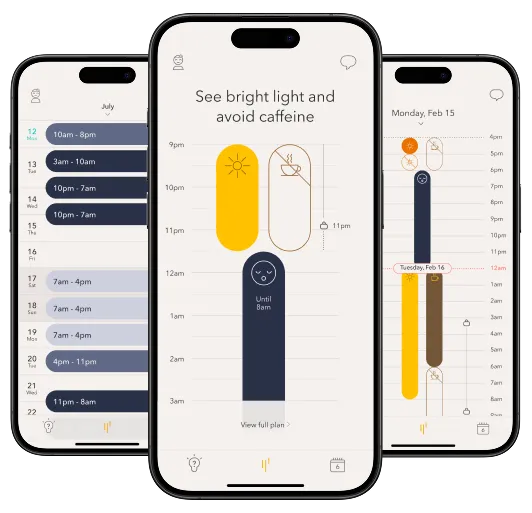
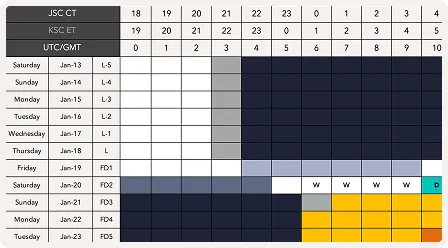
Based on a traveler's itinerary, chronotype, sleep pattern, and personal preferences, Timeshifter generates a personalized jet lag plan with guidance on when to seek light, when to avoid it, when to sleep, and how to optionally use caffeine and melatonin in a scientifically correct way.
The results speak for themselves. Based on approximately 130,000 post-flight surveys, 96.4% of travelers who followed Timeshifter's advice said they did not experience severe or very severe jet lag. When travelers didn't follow the advice, there was a 6.2x increase in severe jet lag, and a 14.1x increase in very severe jet lag.
For organizations, this also means employees who are sharp from day one — reducing the need to fly them out early to acclimatize and improving the return on every international trip.
Timeshifter is trusted by astronauts, Formula 1 teams, Olympic athletes, NBA players, and national soccer teams to perform across time zones.
Protect your travelers. Close the gap.
Whether your organization sends a handful of employees overseas each year or hundreds, protecting their safety and health from the effects of jet lag is part of any strong duty of care program. That it also improves productivity makes it a win-win for the organization and the traveler.
Want to see how Timeshifter works for your team? Schedule a call with one of our representatives, or learn more about Timeshifter for business.